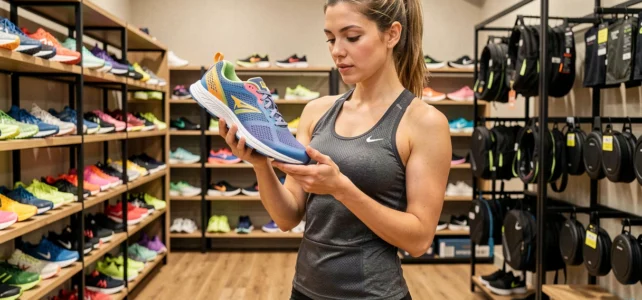
The sports equipment market has significantly expanded in recent years, making the choice of suitable gear more complex than it seems. Between marketing promises, technological innovations, and new European regulations redefining quality criteria, selecting sports equipment today requires a minimum of method.
Right to Repair: What the European Regulation Changes for Sports Equipment
An elliptical bike with a bearing that fails after eighteen months, a trail shoe with a sole that comes off: the ability to repair equipment affects its actual lifespan. This criterion often takes a back seat to comfort or price.
The European regulation on the right to repair, applicable from July 31, 2026, requires manufacturers of affected products to offer repairs at a reasonable price, within a reasonable timeframe, with easier access to spare parts and technical information. For a user investing in expensive equipment, this obligation changes the parameters of the purchase.
Checking whether the manufacturer offers spare parts and a repair service becomes a useful reflex before any significant purchase. A repairable piece of equipment may sometimes cost more upfront, but its longevity offsets the initial extra cost. The catalogs available on esprit-sport.com allow for comparisons of different ranges and brands based on this type of criterion.
Environmental Claims on Sports Equipment: What the Regulation Changes
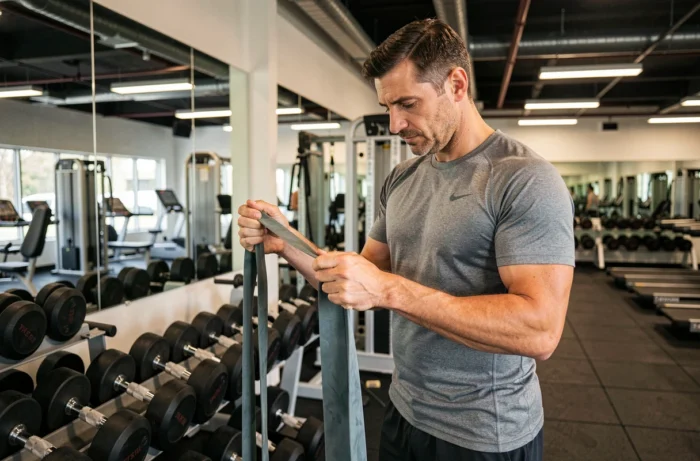
Labels like “eco,” “green,” or “sustainable” are proliferating on sports clothing and accessories. Starting in September 2026, the transposition of the 2024/825 directive on environmental claims prohibits the use of these generic terms without verifiable proof. A manufacturer will no longer be able to label a fitness legging as “eco-friendly” without measurable data to support it.
In practical terms, equipment marketed as “sustainable” must be accompanied by information on the materials used, manufacturing processes, and the product’s end of life. Some brands are already anticipating these obligations. Others continue to use vague terminology.
Here are some guidelines to assess the credibility of an environmental claim on sports equipment:
- The publication of a responsibility report by the brand, like Mammut’s, which confirmed the elimination of PFAS from its products by 2026
- The existence of a recognized measurement framework (the PEFCR for clothing and shoes evaluates the environmental footprint over the entire lifecycle)
- Transparency about the composition of materials and their origin, rather than just a green logo
Wearable Technology: Sustainability Limits to Evaluate Before Purchase
Smartwatches, activity trackers, heart rate sensors: these devices have become part of training routines. Their usefulness for tracking progress is real. However, their longevity raises practical questions.
An exemption adopted in 2026 for wearables allows manufacturers to retain batteries that are not easily replaceable by the user, provided a professional can perform the replacement. When the battery of a sports watch weakens after two or three years, the cost and availability of after-sales service can vary significantly between brands.
Before investing in a wearable, three points deserve verification:
- Does the manufacturer guarantee battery replacement, and at what approximate cost?
- Are software updates assured for several years, or is the device at risk of becoming obsolete quickly?
- Are the collected data exportable to other applications, to avoid being locked into a closed ecosystem?
An activity tracker whose battery cannot be replaced is programmed waste, regardless of its initial performance level.
Adapting Equipment to Actual Practice, Not Aspirations
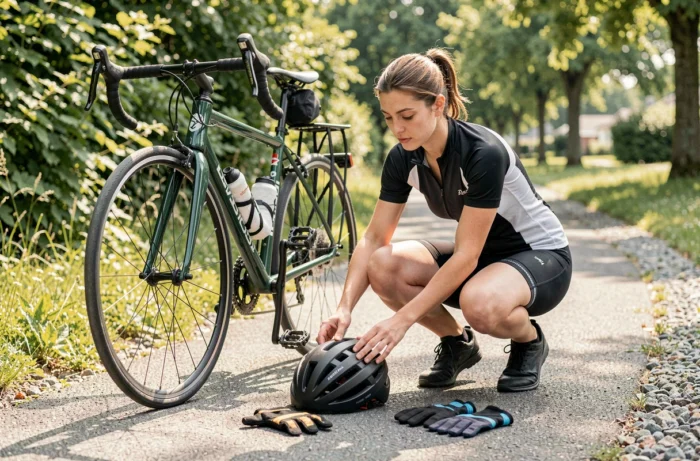
Buying equipment calibrated for a level or frequency of practice that one will not reach remains the most common mistake. A beginner in running does not need competition shoes with carbon plates. An occasional fitness practitioner does not need a professional weight bench.
Equipment must match current practice, not an idealized project. Intermediate equipment allows for progress without concentrating the entire budget on a single item. It is better to spread the investment between shoes suited to one’s morphology, technical clothing for actual weather conditions, and safety accessories if the sport requires them.
For shoes, the determining criterion remains compatibility with foot morphology and stride type. Field feedback varies on the superiority of one cushioning technology over another. However, a shoe poorly suited to one’s stride significantly increases the risk of injury, regardless of its price.
The construction of the equipment and the quality of materials matter more than the brand or the displayed price. A piece of sports clothing that effectively wicks away sweat, has flat seams to prevent chafing, and allows complete freedom of movement fulfills its role, whether it costs thirty or one hundred euros.
Repairability, environmental transparency, compatibility with actual practice: these technical criteria protect a sports budget far better than a logo on a label.