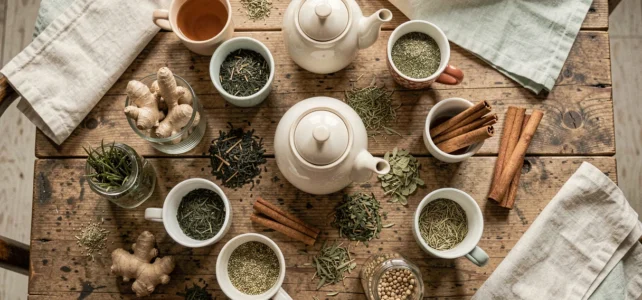
An herbal tea does not cause weight loss by itself. Recent meta-analyses place the effect of green tea preparations at around one to two weight units lost over twelve weeks compared to a placebo, a result described as clinically modest by researchers. The difference between a useful beverage and a marketing gimmick lies in the actual mechanisms of each plant: drainage, mild thermogenesis, reduction of bloating, or digestive support.
This ranking includes seven herbal teas whose properties are documented, prioritizing those that provide a concrete benefit within the framework of a balanced diet.
1. Green tea herbal tea: catechins and thermogenesis

Green tea remains the most studied plant in terms of weight management. Its catechins, particularly EGCG, combined with natural caffeine, slightly stimulate energy expenditure and promote lipid oxidation. Systematic reviews confirm a real but limited effect: it does not replace either a caloric deficit or regular physical activity.
A safety point deserves attention. EFSA indicated in 2018 that dietary supplements providing around 800 mg per day of EGCG or more are associated with elevated liver enzymes. This alert does not concern the classic herbal tea consumed in a cup, whose dosage remains much lower. To find out which herbal teas for natural weight loss offer the best benefit-risk ratio, the infused drink form remains the safest.
Recommended preparation: water at 70-80 °C, infusion for two to three minutes. Beyond that, bitterness increases without a notable gain in active principles.
2. Mate: prolonged caffeine and satiety
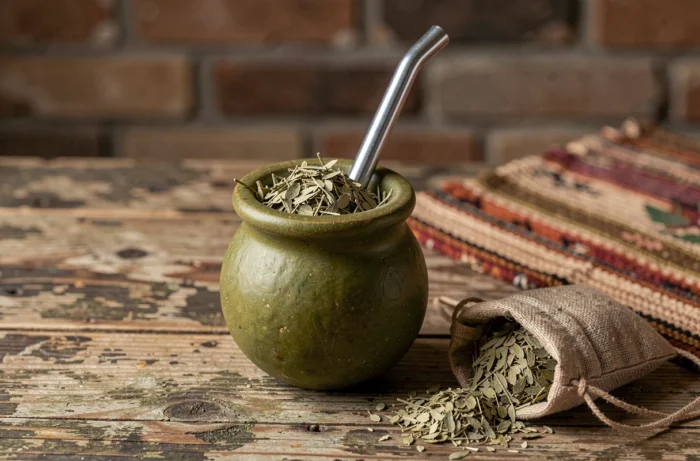
Mate (yerba mate) provides a caffeine dose comparable to that of coffee but is released more gradually due to the tannins in the leaf. Several clinical trials have shown a modest reduction in body fat and waist circumference in subjects consuming mate daily for several weeks.
Its practical advantage: the appetite-suppressing effect felt between meals, linked to the caffeine-saponins combination. However, caffeine-sensitive individuals should limit consumption in the evening to preserve their sleep, a factor often underestimated in weight loss.
3. Ginger infusion: active digestion and thermal effect

Ginger acts on two complementary mechanisms. It stimulates the secretion of digestive enzymes, improving post-meal comfort and reducing bloating. It also produces a slight thermogenic effect, a sensation of internal warmth that indicates a temporary increase in caloric expenditure.
The infusion is prepared with a few slices of fresh root in simmering water for five to ten minutes. Adding lemon enhances the taste without adding calories, but it has no proven weight loss effect on its own.
4. Dandelion herbal tea: drainage and renal elimination

Dandelion is among the draining plants traditionally used to promote renal elimination of water. Its diuretic action helps reduce water retention, which can translate into a visible decrease in weight on the scale, even if body fat is not directly affected.
This nuance is central. Dandelion does not burn fat. It relieves the feeling of bloating and accompanies a cure of a few weeks. Individuals on diuretic treatment or suffering from renal disorders should consult a healthcare professional before incorporating it into their routine.
5. Fennel infusion: flat stomach and digestive comfort
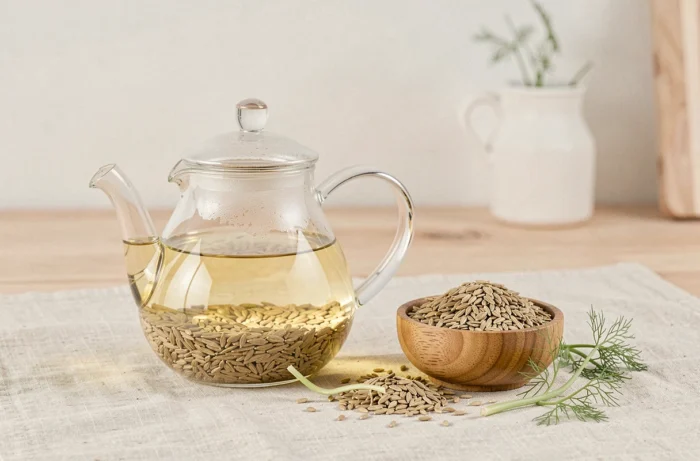
Fennel targets bloating and intestinal gas. Its carminative properties make it a particularly suitable herbal tea after a hearty meal. The flat stomach effect is visible without fat loss, which explains why this plant is often associated with weight loss cures without being strictly slimming.
Fennel seeds are consumed in a simple infusion: one teaspoon of crushed seeds in a cup of boiling water, covered for ten minutes. The aniseed flavor is pronounced and can be sweetened with a drizzle of honey.
6. Meadowsweet herbal tea: anti-retention action

Less publicized than green tea, meadowsweet is a plant with diuretic and anti-inflammatory properties used in European phytotherapy. It promotes the elimination of water and metabolic waste, which can help lighten the feeling of heaviness.
Its use requires caution: meadowsweet contains salicylic derivatives, close to aspirin. Individuals allergic to salicylates or on anticoagulants should avoid it. For others, two to three cups a day over a limited period is a reasonable supplement.
7. Cinnamon herbal tea: regulation of post-meal blood sugar

Cinnamon acts on a different lever than the other plants in this ranking. Several studies suggest that it helps moderate blood sugar spikes after meals, which indirectly limits fat storage and cravings related to drops in blood sugar.
There are two forms: Ceylon cinnamon and cassia cinnamon. The former is preferable for regular use, as cassia contains more coumarin, a substance potentially harmful to the liver in high doses. A stick of Ceylon cinnamon infused in hot water for eight minutes is sufficient.
- Combining cinnamon with ginger in the same infusion combines thermogenic effect and glycemic regulation.
- Avoid adding sugar, which would negate the benefit on blood sugar.
- Preferably consume after lunch or dinner, when the carbohydrate load is highest.
None of these seven herbal teas constitutes a treatment for obesity. Their interest lies in replacing sugary drinks, regular hydration, and providing occasional support for digestive or metabolic functions. The most reliable benefit remains habit change: replacing a soda or industrial juice with an herbal tea sustainably reduces daily caloric intake without perceived effort.